SANTONA
A strategic fortress on the Cantabrian coast
Located on the north coast of Spain, in Cantabria, Santoña was one of the most coveted positions for the Napoleonic Empire during the Spanish War of Independence (1808-1814).
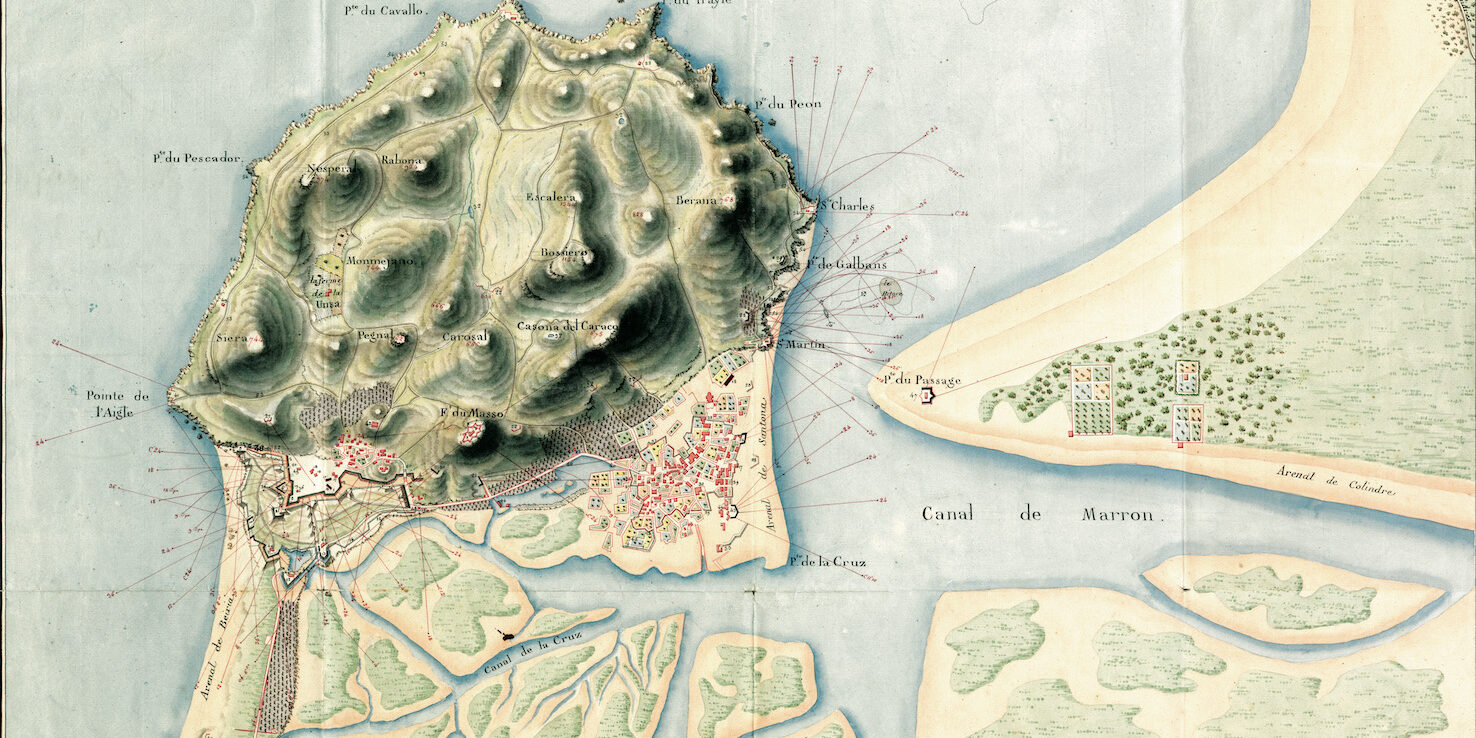
Its natural configuration - a fortified peninsula between the Cantabrian Sea and vast marshes - made it an almost impregnable site, capable of sheltering large tonnage boats and controlling the eastern Cantabrian coastline.
It was the French who, under the directives of the Emperor Napoleon himself, implemented the idea of transforming Santoña into a veritable stronghold. Although its geographical isolation delayed a decisive intervention, an ambitious fortification programme began in 1811. Subsequently, drawing on the lessons of the War of Independence, the Spanish army continued this work throughout the 19th century, until Santoña became a virtually impregnable military stronghold.
Santona, today
SPAIN
10 840

LOCATION
inhabitants
Napoleonic places
An imperial fortress
For a year and a half, defences were built and reinforced, forts and batteries were constructed, the town was equipped with artillery from France, and the cliffs of Mount Santoña were mined to make them steeper and inaccessible. The main works included the Imperial, Mazo and Gromo forts, as well as the Brusco reduction and batteries such as those at Rouget, San Martín, El Puntal and El Águila.
Napoleon himself drew up the general plan for the fortress, although many of his decisions were subsequently adapted by the engineers and officers on the ground. At the height of the occupation, Santoña was packed with troops from all over Europe, including the French, Italians, Dutch and Germans.
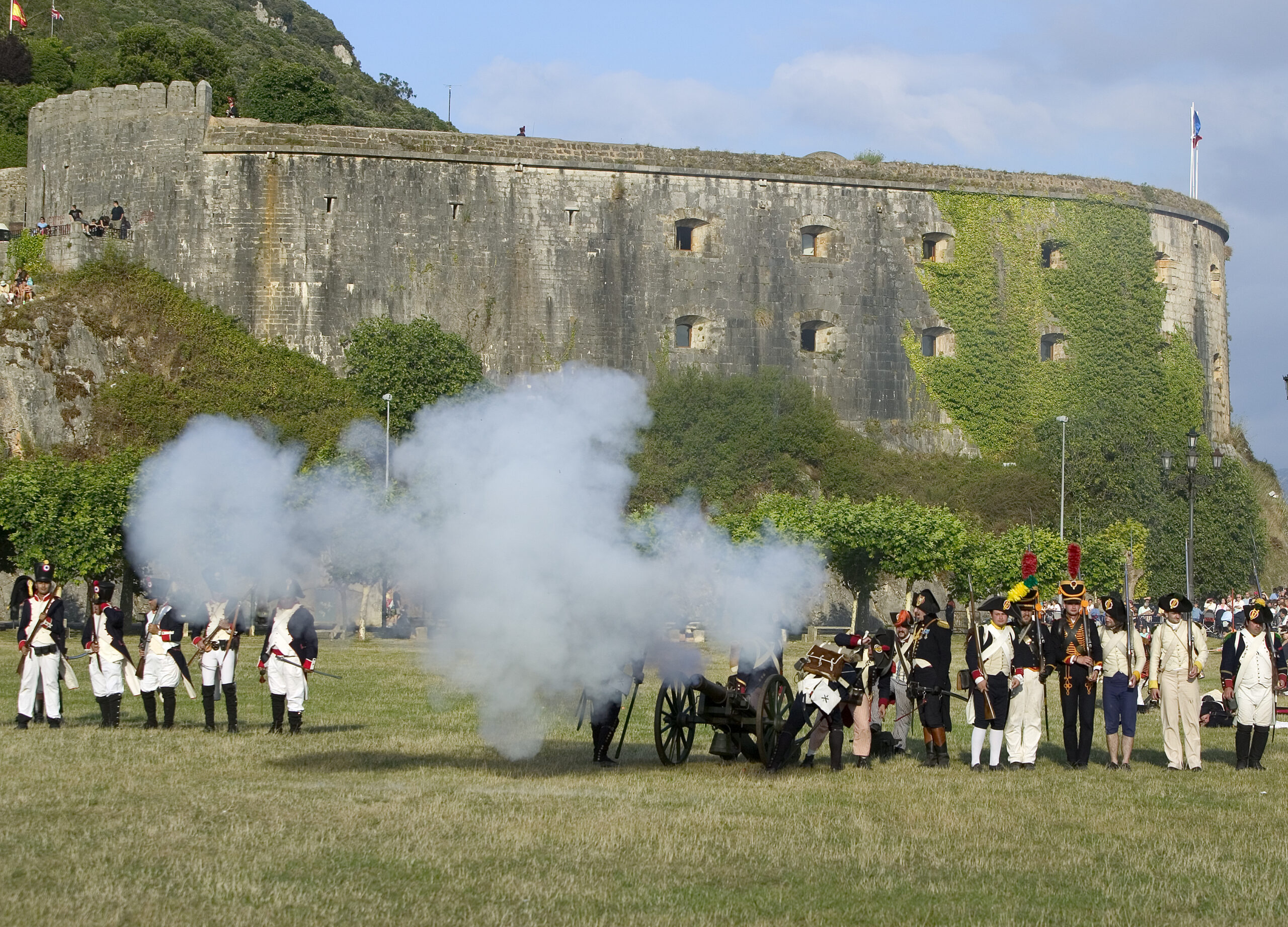
Remembrance and commemoration
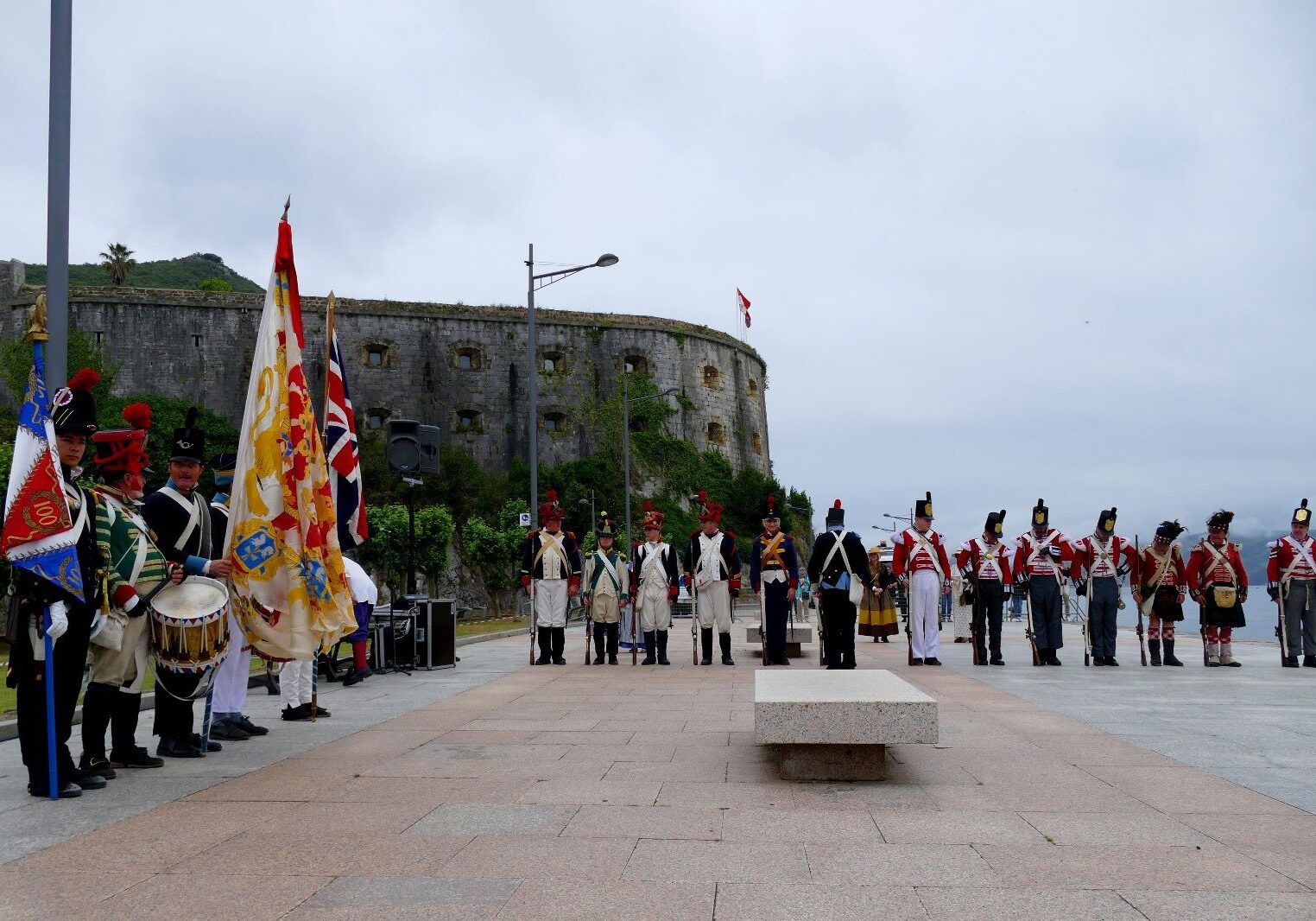
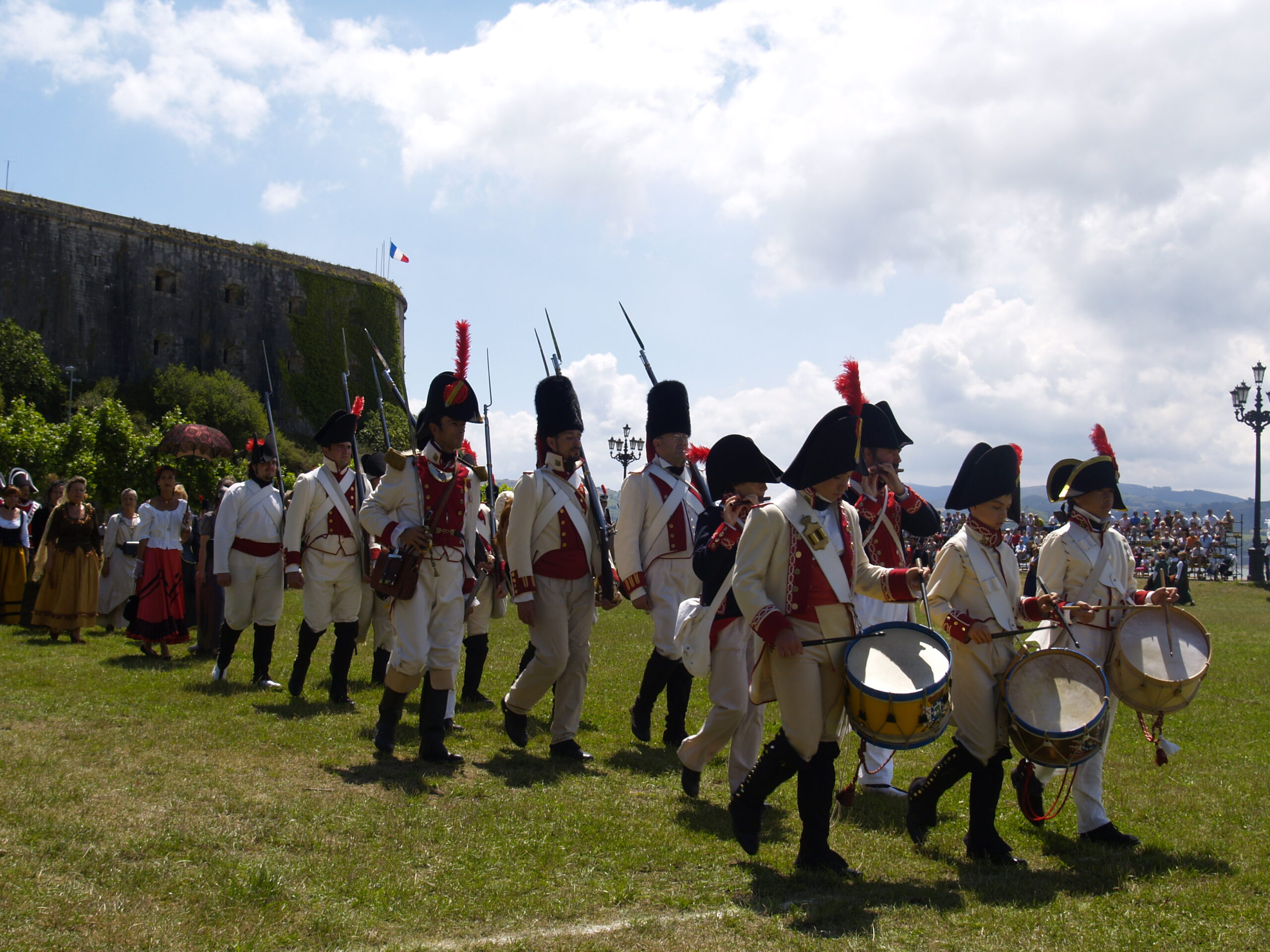
Every last Saturday in May, Santoña brings this historic episode to life by commemorating the surrender of the French garrison on 28 May 1814.
The event brings together re-enactors and historical associations in an event that combines history, culture and heritage, reaffirming Santoña's link with the Napoleonic era.
A visible legacy
Today, traces of this imperial stronghold can still be seen in defensive works such as the Mazo fort, the Brusco retreat and the Águila battery, all key elements in understanding the Empire's strategy in the north of the Iberian Peninsula.
The Napoleonic fortifications, together with the works built after the war and up until the 1860s, form a unique monumental ensemble, integrated into the natural landscape of the Santoña mountain and bay, providing exceptional testimony to the military art of the 19th century.
Santona city website : www.ajachttps://www.aytosantona.cuvicecs.es/ayuntamiento-santo%C3%B1acio.fr
Visit the city
NEWS
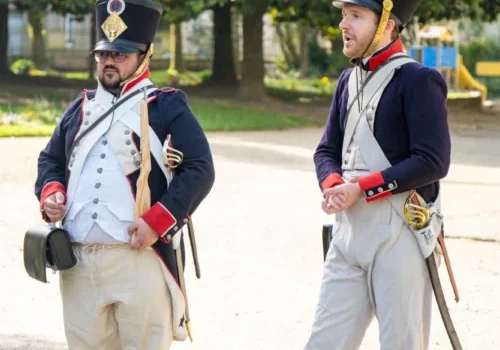

NAPO-HIST: our new Erasmus+ project dedicated to teaching Napoleonic history
Bringing history to life is not just about telling the story, but about revealing the diversity of perspectives. This is the aim of NAPO-HIST, a new European project led by the European Federation of Napoleonic Cities and funded by Erasmus+. Over a three-year period (September 2026–August 2029), museums, heritage sites, researchers and cultural mediators will pool their expertise to experiment with […]
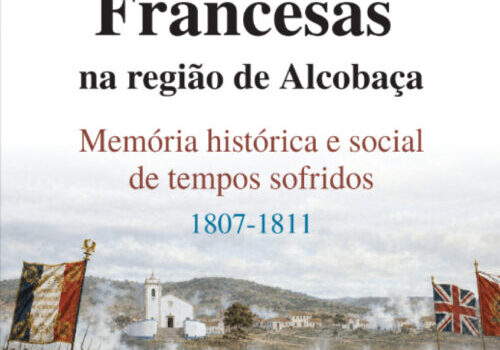
Torres Vedras: the French invasions at the heart of an encounter between history, memory and heritage
On Sunday 11 October 2026, the Torres Vedras Lines Interpretation Centre, located at São Vicente Fort, will host an afternoon dedicated to the history of the French invasions of Portugal. Organised as part of the commemorations for National Torres Lines Day, this event will feature a presentation of Leonel Fadigas’s book on […]

«Destination Napoleon» took part in the 15th Annual Consultative Forum on Cultural Routes organised by the Council of Europe in Yerevan
«Destination Napoléon» was actively represented at the 15th edition of the Council of Europe’s Annual Consultative Forum on Cultural Routes by its director, Eleonora Berti, and its coordinator, Jacques Chevin. A flagship annual event bringing together member states, certified routes, international heritage protection organisations and local authorities, this […]

Milan: Relive the salons of the Napoleonic era at the Palazzo Reale
On Friday 9 October 2026 at 6.00 pm, the Sala delle Otto Colonne at the Palazzo Reale will host “Da Parigi a Milano. In the Salons of the Napoleonic Era”, a musical journey between France and Italy in the time of Joséphine and Eugène de Beauharnais. For one evening, Milan’s former royal residence will thus reconnect with the musical world that […]

Multi-Era & Multiverse Camp in Coudekerque-Branche: History Comes to Life
From 18 to 20 September 2026, the Vernaelde Farm in Coudekerque-Branche will host the Multi-Era & Multiverse Camp. Organised to coincide with European Heritage Days, this event will bring together more than 500 re-enactors to showcase nine major historical periods, from Greco-Roman antiquity to the Second World War. For three days, Coudekerque-Branche, a member of the Destination Napoléon network, […]
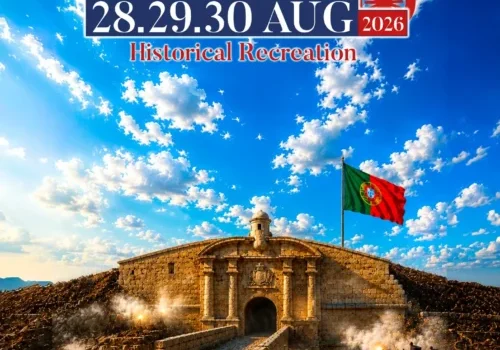
Almeida brings the 1810 siege back to life
From 28 to 30 August 2026, Almeida will host the 22nd edition of its Historical Re-enactment of the Siege. Over the course of three days, the Portuguese fortified town will transform its heritage into a space where history, creativity, cultural transmission and public participation come together. The historical re-enactment of the 1810 siege of Almeida is the largest event dedicated to the wars […]
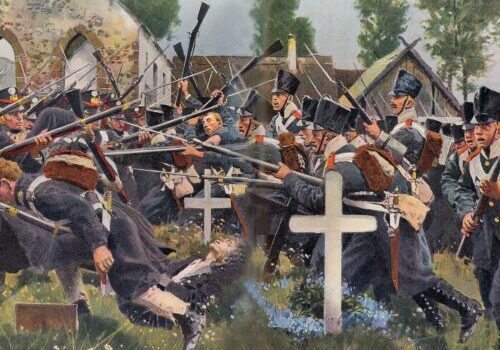
Großbeeren brings the Battle of 1813 back to life
From 21 to 23 August 2026, Großbeeren will host the 213th edition of its traditional Historisches Siegesfest. For three days, this German town on the outskirts of Berlin will bring the events of the Battle of Großbeeren to life through a campsite, parades, commemorative ceremonies, historical re-enactments and a wide range of activities for all […]

In Ajaccio, the Napoleonic Days celebrate Napoleon’s birth
From 12 to 15 August 2026, Ajaccio will celebrate the 257th anniversary of Napoleon Bonaparte’s birth as part of its traditional Napoleonic Days. Over the course of four days, the imperial city will reconnect with its history through lectures, re-enactments, parades, encampments and a host of events open to the public. Ajaccio, the birthplace of […]
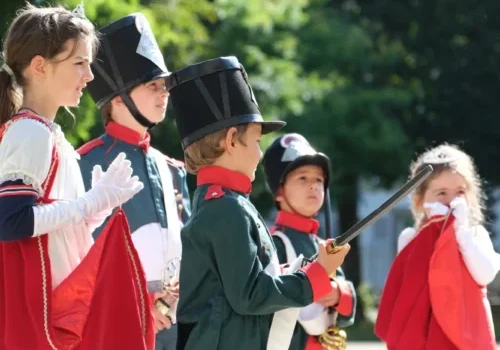
In Pontivy, a summer following in the footsteps of Napoléonville
Throughout the summer of 2026, Pontivy invites residents and visitors alike to rediscover its Napoleonic heritage through historic train journeys, guided tours and activities specially designed for families. From the Imperial Quarter to the landscapes of the Blavet Valley, this programme offers a different way to explore the history of the town that once bore […]
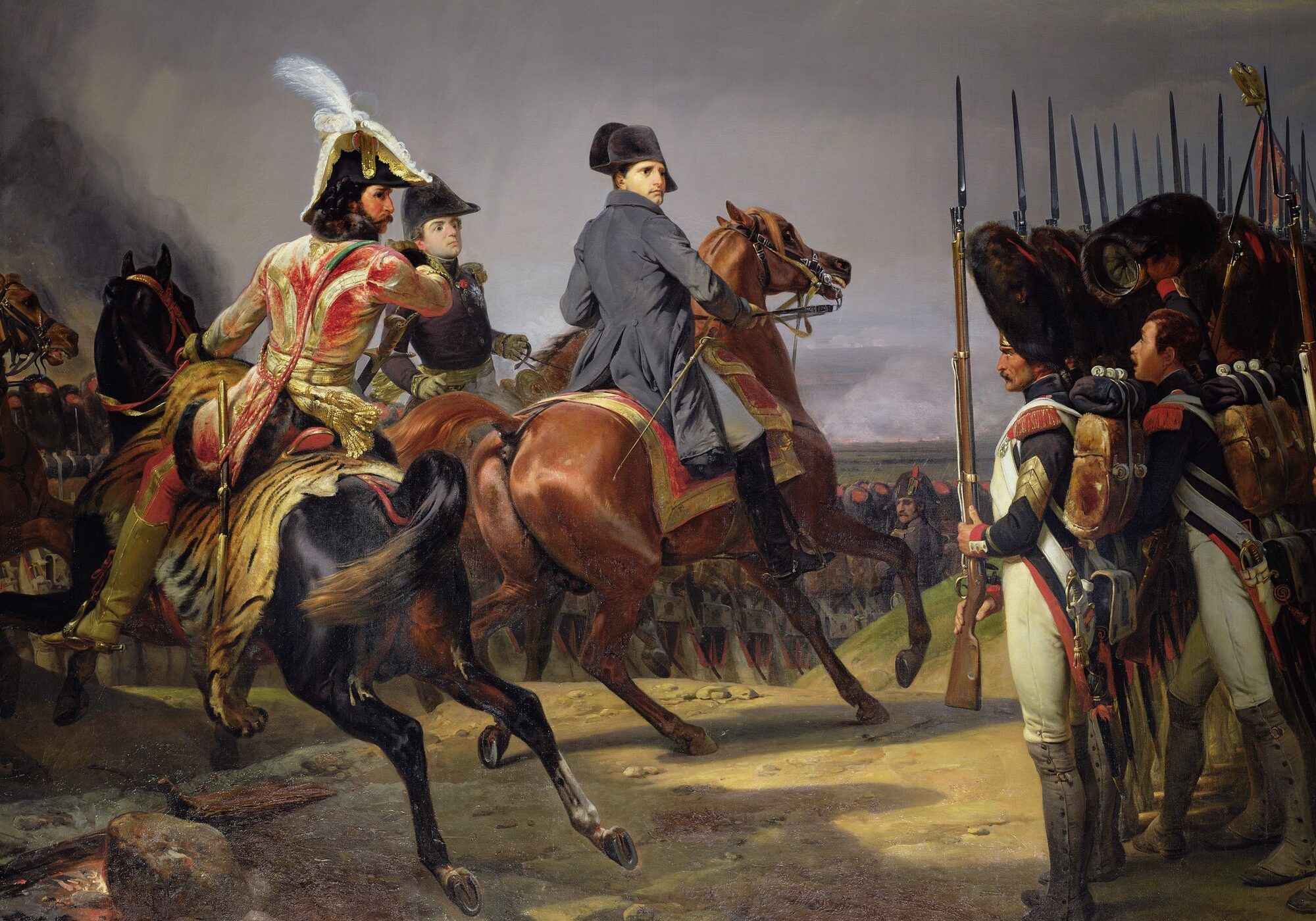

Jena and Auerstedt: 220 years of European history
From 16 to 18 October 2026, the Jena region will commemorate the 220th anniversary of the Battles of Jena and Auerstedt. Over the course of three days, local residents, visitors, history enthusiasts and re-enactors from several European countries will come together for an extensive programme combining remembrance, education and the exploration of Napoleonic heritage. On 14 October 1806, the fighting at […]
All members
Ajaccio . Ancona . Almeida . Aranjuez . Rota Hisórica das Linhas de Torres" Association . Autun . Auxonne . Bolesławiec . Braine l'Alleud . Calvi . Colpo . Corfu . Corte . Coudekerque-Branche . Cuneo . Fleurus . Grossbeeren . Herceg Novi . Hövelhof . Jena . Ierapetra . La-Roche-sur-Yon . Lidzbark Warminski . Limbiate . Lodi . Lucca . Mali Losinj . Milna . Monterau-Fault-Yonne . Monza . Orebić . Palazzo Reale - Milano . Paris . Petrinja . Plymouth . Pontivy-Communauté . Portoferraio . Rueil-Malmaison . Santona . Sarzana . Slunj . Sombreffe-Ligny . Val de Louyre and Caudeau . Vitoria-Gasteiz .