
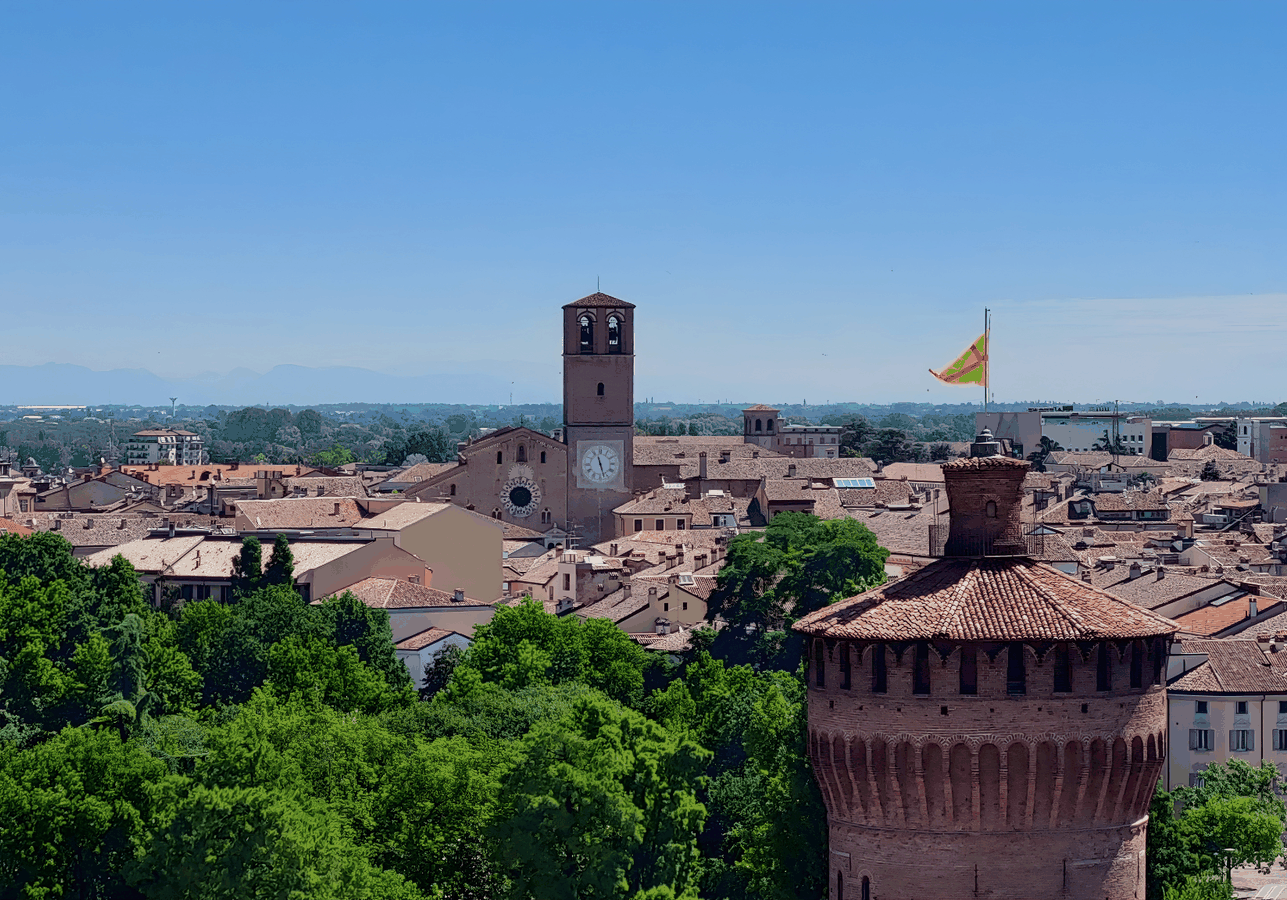
Lodi
In May 1796, the young general Napoleon Bonaparte changed history and created his own myth at Lodi. Indeed, years later, in the pages of the St Helena Memorial, The emperor in exile would write that it was precisely in the Lombard city that he felt «no longer a mere general, but a man called upon to determine the destiny of a people».
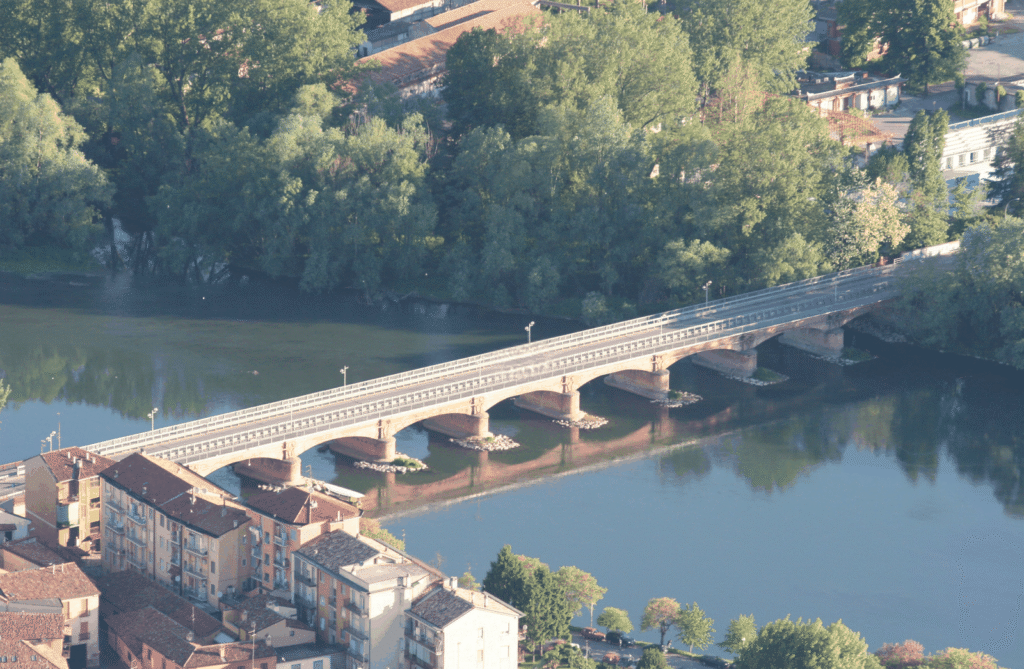
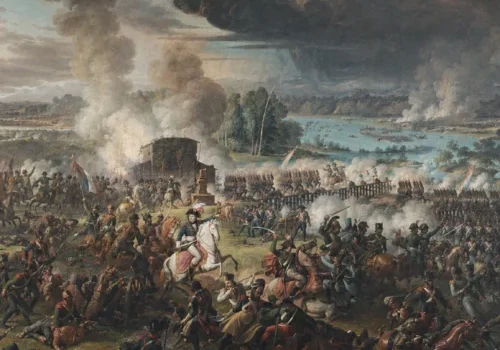
The myth of Napoleon began to be written on the banks of the River Adda, where the young general defeated the Austrian forces in a battle - the Battle of the Bridge of Lodi - that changed the destiny of Italy and the whole of Europe.
Lodi, today
Italy
45 357

LOCATION
inhabitants
Napoleonic places
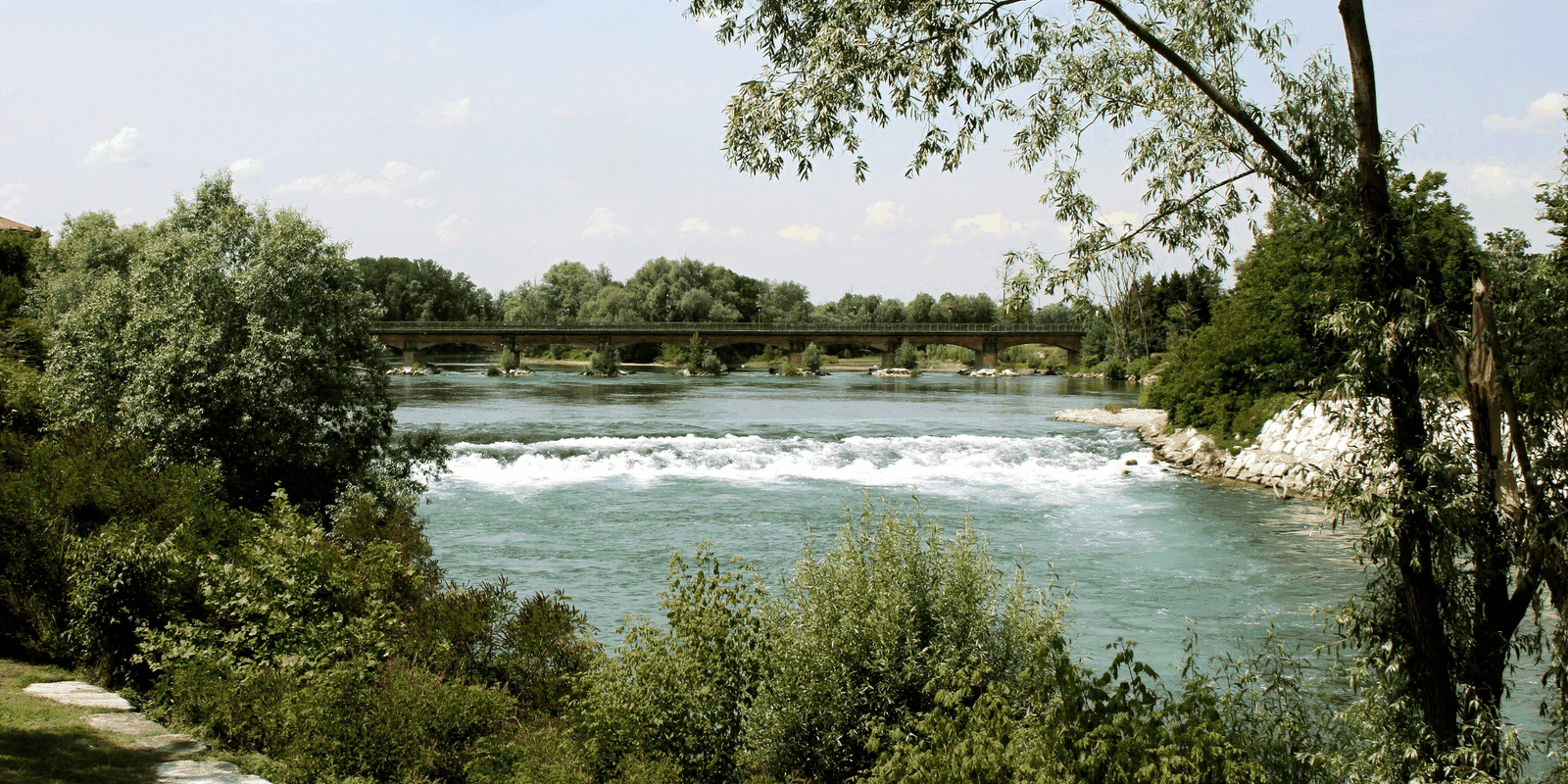
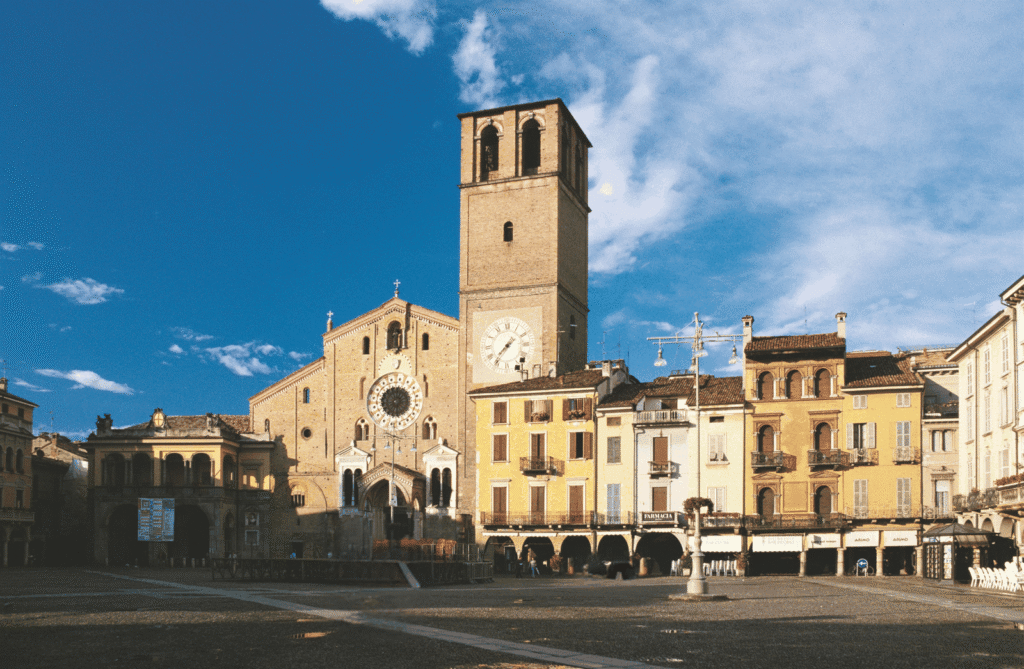
Lodi was founded on 3 August 1158 by Frederick Barbarossa on the banks of the Adda, not far from the remains of Laus Pompeia, the ancient Lodi destroyed by Milan.
Thanks to its strategic position, the city enjoyed a period of great influence, culminating in the Peace of Lodi in 1454, a treaty that ensured Italy's political stability and encouraged the Renaissance to flourish.
After centuries of foreign domination, the town became the protagonist of history on 10 May 1796: in Lodi, the French army, led by General Napoleon Bonaparte, defeated the Austrian army in the Battle of the Lodi Bridge, conquering northern Italy and changing the destiny of the whole of Europe.
After the Risorgimento and the world wars, Lodi is now a dynamic industrial and cultural centre on the Po plain.
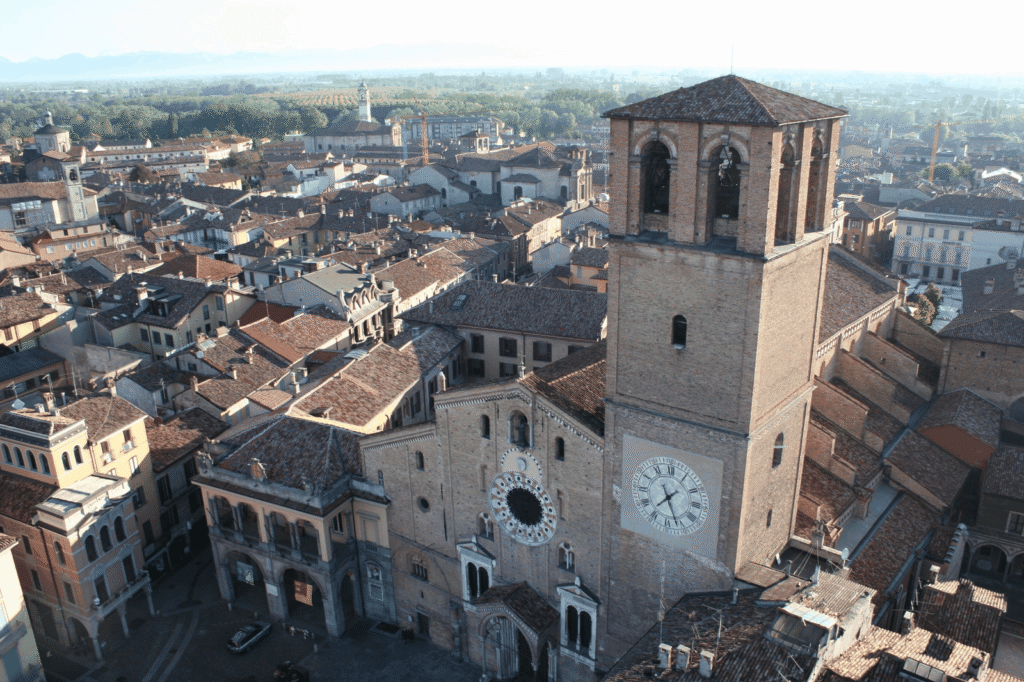
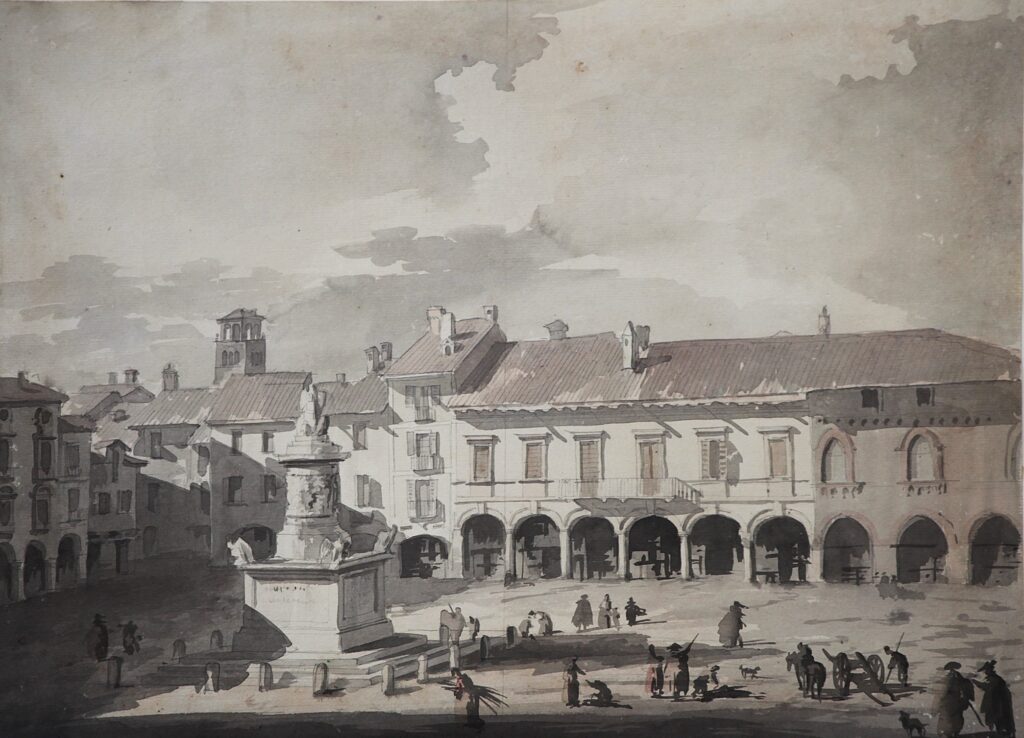
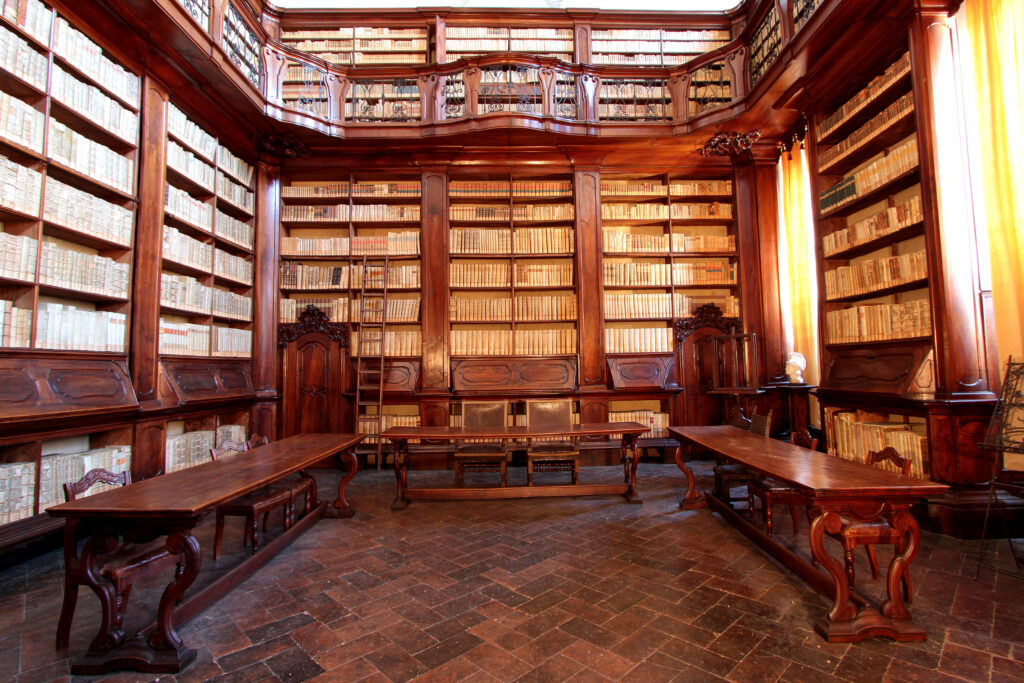
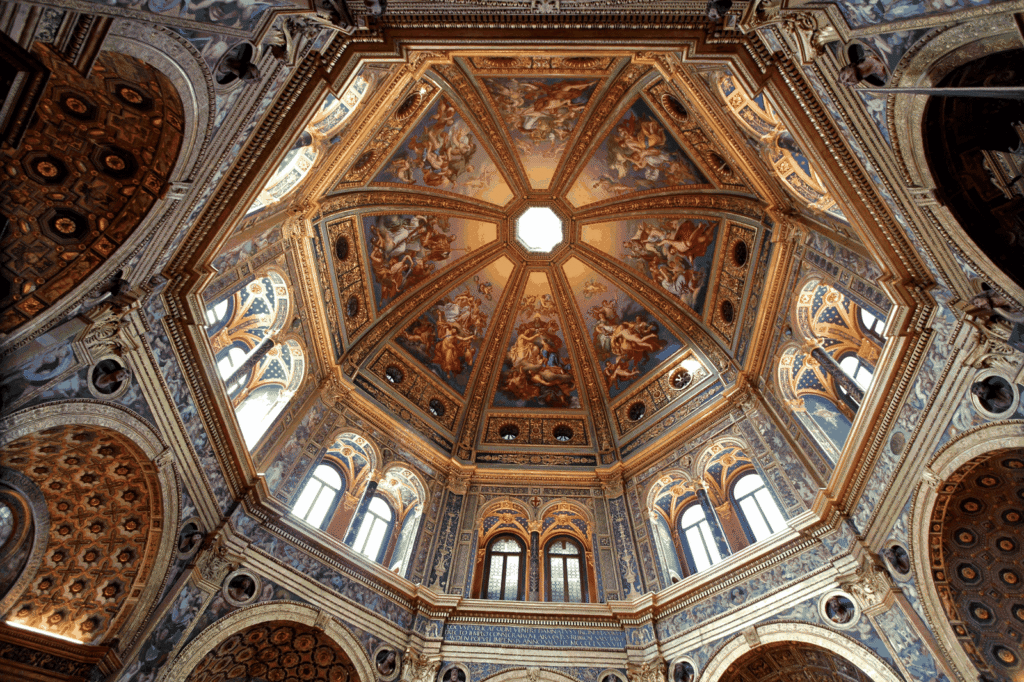
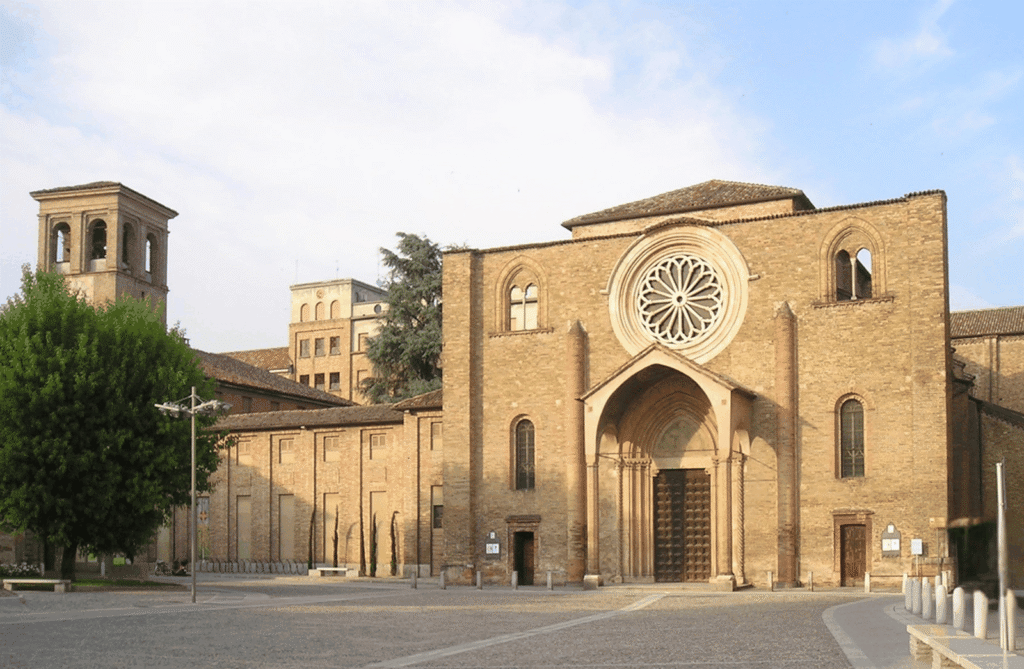
Website of the town of Lodi : www.comune.lodi.it
Visit the city
NEWS

Lodi officially joins the European Federation of Napoleonic Cities
Battle of the Bridge at Lodi On 8 May, the City of Lodi will formally join the European Federation of Napoleonic Cities – Destination Napoleon. Situated in Lombardy, on the banks of the River Adda, Lodi occupies a prominent place in Napoleonic history, linked to the famous Battle of the Bridge at Lodi on 10 May 1796. The Federation […]
All members
Ajaccio . Ancona . Almeida . Aranjuez . Rota Hisórica das Linhas de Torres" Association . Autun . Auxonne . Bolesławiec . Braine l'Alleud . Calvi . Colpo . Corfu . Corte . Coudekerque-Branche . Cuneo . Fleurus . Grossbeeren . Herceg Novi . Hövelhof . Jena . Ierapetra . La-Roche-sur-Yon . Lidzbark Warminski . Limbiate . Lodi . Lucca . Mali Losinj . Milna . Monterau-Fault-Yonne . Monza . Orebić . Palazzo Reale - Milano . Paris . Petrinja . Plymouth . Pontivy-Communauté . Portoferraio . Rueil-Malmaison . Santona . Sarzana . Slunj . Sombreffe-Ligny . Val de Louyre and Caudeau . Vitoria-Gasteiz .