Bringing history to life is not just about telling the story, but about revealing the diversity of perspectives. This is the aim of NAPO-HIST, a new European project led by the European Federation of Napoleonic Cities and funded by Erasmus+. Over a three-year period (September 2026–August 2029), museums, heritage sites, researchers and cultural mediators will pool their expertise to explore new ways of communicating Napoleonic heritage to today’s audiences.
A shared history, different memories
Through Napoleon’s heritage, NAPO-HIST aims to address a challenge facing many European historic sites: how can we convey a complex history, shaped by national memories that are sometimes at odds with one another, without reducing it to a single narrative?
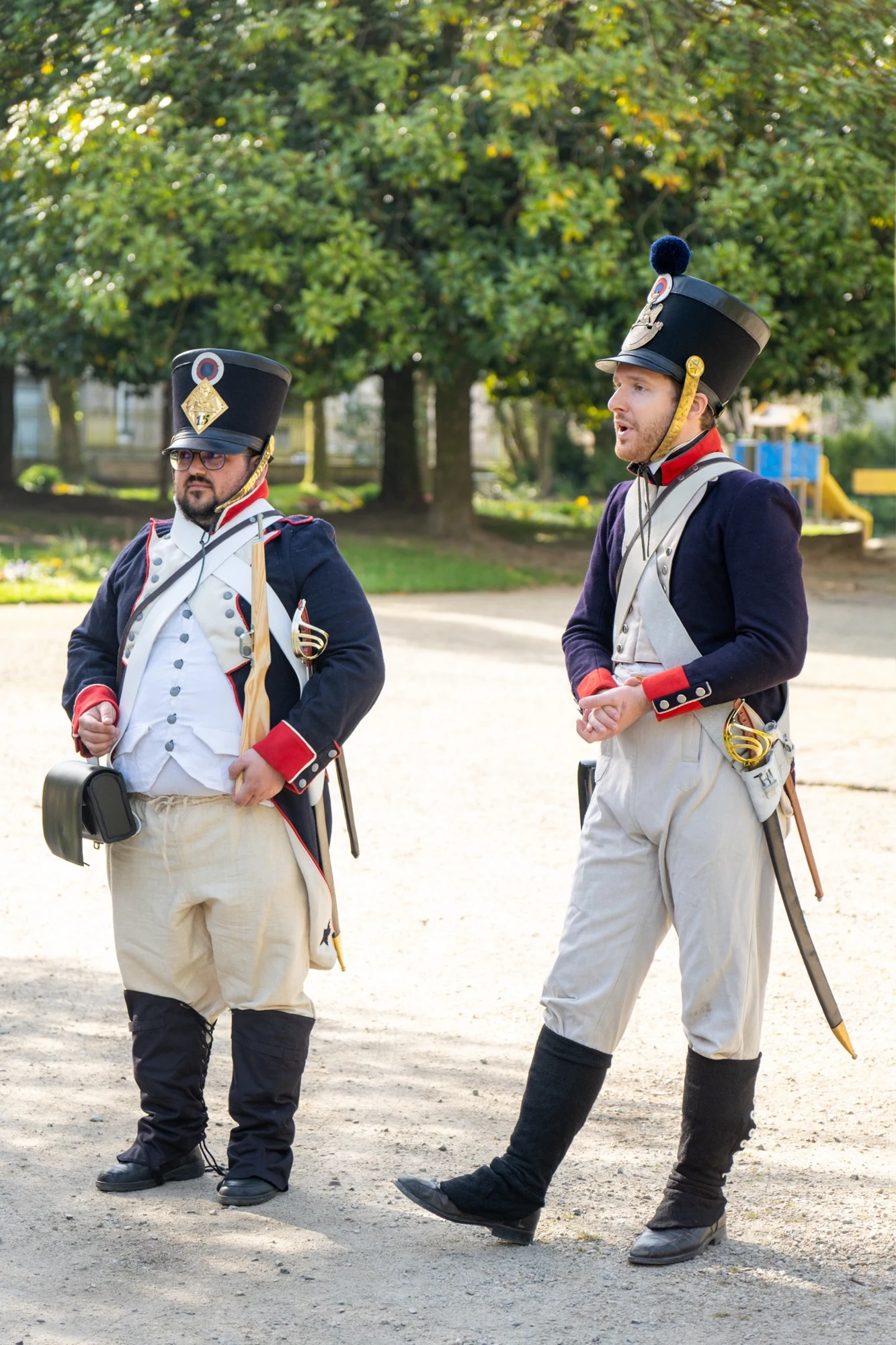
Museums, battlefields, historic towns, memorial sites and re-enactment events attract large numbers of visitors every year. However, outreach practices often remain fragmented and are primarily shaped by national perspectives. Furthermore, heritage interpreters, guides and those involved in historical re-enactments do not always have standardised training to address sensitive subjects, compare sources or incorporate a variety of viewpoints.
NAPO-HIST therefore aims to enhance the quality, accountability and European dimension of the teaching of history. The project encourages a critical and multi-perspective interpretation of this chapter in Europe’s shared history, taking into account local realities, collective memories and different national and transnational perspectives.
A European Academy for heritage professionals
At the heart of the project will be the creation of a European Academy for Multi-perspective Cultural Mediation. It offers training for professionals working in museums and heritage sites, cultural mediators, guides, those involved in tourism and historical re-enactment societies.
Transnational workshops, exchanges of best practice involving the project partners, and pilot schemes will enable participants to develop their skills in a number of areas:
- the critical analysis of historical sources;
- the construction of narratives incorporating multiple perspectives;
- immersive and participatory mediation;
- the ethical communication of sensitive historical topics;
- the use of digital tools in heritage interpretation.
Around 60 professionals will be directly involved in the training programme. Of these, around 40 will complete the entire programme so that they can subsequently apply and pass on the methods developed in their own local areas.
Practical tools that are accessible to everyone
NAPO-HIST will result in the creation of a number of open-access resources aimed at heritage professionals and intended to benefit all members of the route.
A European educational handbook will bring together the pedagogical and ethical principles developed during the project. It will offer practical methods for designing tours, role-plays, historical re-enactments and other forms of educational outreach tailored to different audiences.
A digital tool designed for mediators will also bring together scenarios, narrative frameworks, mediation models and reusable content, available both on-site and online.
At the same time, the project will develop a polyphonic narrative method based on the study of heritage objects. This will help museums and historic sites to enrich the presentation of their collections by highlighting a range of experiences and interpretations relating to a single object.
Testing the methods with different audiences
The tools developed will not remain purely theoretical. They will be trialled in museums, historic sites, educational establishments and at major heritage events.
«Public mediation workshops» will enable trained professionals to explore new ways of telling the story. Visitors will be invited to compare different perspectives, question the narratives presented and play an active part in interpreting our heritage.
At least five educational establishments and around 200 young participants will be involved in these trials. Several thousand visitors will also be able to experience these new forms of engagement during the partner events.
Their feedback will enable us to evaluate the methods, improve them and produce concrete examples that can be replicated in other European regions.
A complementary European partnership
Co-ordinated by the European Federation of Napoleonic Cities, NAPO-HIST brings together four organisations from three European countries:
- the European Federation of Napoleonic Cities, in France;
- the Rota Histórica das Linhas de Torres, in Portugal;
- the Santagata Foundation for the Economy of Culture, in Italy;
- the Pontivy Communauté Tourist Office, in France;
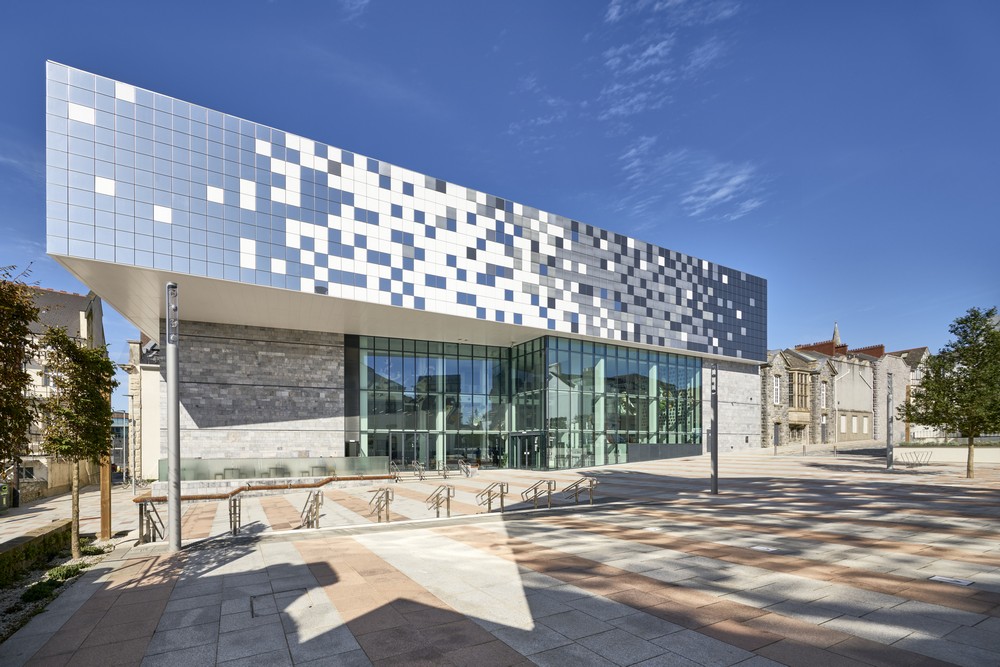
- The Box museum, in the United Kingdom, is also taking part in the project as an associate partner.
This collaboration will thus bring together the experience of a European cultural network, scientific and methodological expertise, the practice of historical re-enactment, museum outreach and regional tourism development.
Building a network that will stand the test of time
Beyond its three-year implementation period, NAPO-HIST aims to establish lasting European cooperation. The project therefore provides for the creation of a European network for Napoleonic heritage, bringing together museums, historic sites, researchers, educational outreach workers, re-enactment societies and tourism stakeholders.
This network will facilitate continued exchanges, the updating of tools and the development of new joint initiatives once Erasmus+ funding has come to an end.
Thanks to NAPO-HIST, Napoleonic heritage is thus becoming a genuine European laboratory for outreach, education and dialogue. By bringing different perspectives together and providing professional training for those who communicate history, the FECN and its partners aim to contribute to a more critical, inclusive and European understanding of our shared past.