From 18 to 20 June 2026, Destination Napoleon took part in the Council of Europe’s National Meeting of Cultural Routes in France, held in the Indre department, as well as in the Annual General Meeting of the French Federation of European Cultural Routes (FFICE).
Eleonora Berti, director of FECN-Destination Napoleon and president of the FFICE from 2023 until this AGM, and Jacques Chevin, European coordinator of FECN-Destination Napoleon, represented the route during these days of work, discussion and heritage discovery, which brought together stakeholders from the European Cultural Routes operating in France.
A national meeting to promote European cooperation
Organised by the European Federation of Cluniac Sites, the Indre Department and the City of Châteauroux, these meetings were a highlight for the networks, institutions and professionals involved in promoting Europe’s cultural heritage.
The meeting was opened by Marc Fleuret, President of the Indre Departmental Council and President of the European Federation of Cluniac Sites, in the presence of Bruno Favel, Head of the World Heritage Mission within the Directorate-General for Heritage and Architecture at the Ministry of Culture, as well as Orane Proisy and Nicolas Moqucaut.
The events were also attended by Gil Avérous, Mayor of Châteauroux, alongside Sophie Demoget, Deputy Mayor responsible for Culture and Historical Heritage. Their participation demonstrated the City of Châteauroux’s commitment to European cultural cooperation and the promotion of heritage.
Discussions focused in particular on the latest developments in the Council of Europe’s Cultural Routes programme, which is celebrating its 40th anniversary this year, as well as on passing on cultural heritage to younger generations. The participating networks shared a number of initiatives relating to outreach, education and cultural innovation.
The FFICE’s Annual General Meeting, held at Châteauroux Town Hall, also ensured continuity in the Federation’s governance: at the end of her term as president, Eleonora Berti was elected vice-president, with Christophe Voros, director of the European Federation of Cluniac Sites, taking the chair for the next two years.
For Destination Napoleon, this meeting provided an opportunity to continue discussions with the other Cultural Routes in France, to strengthen existing partnerships and to promote a shared approach to European heritage: one that is vibrant, open and accessible to all.
From Valençay to Châteauroux: in the footsteps of Napoleonic history
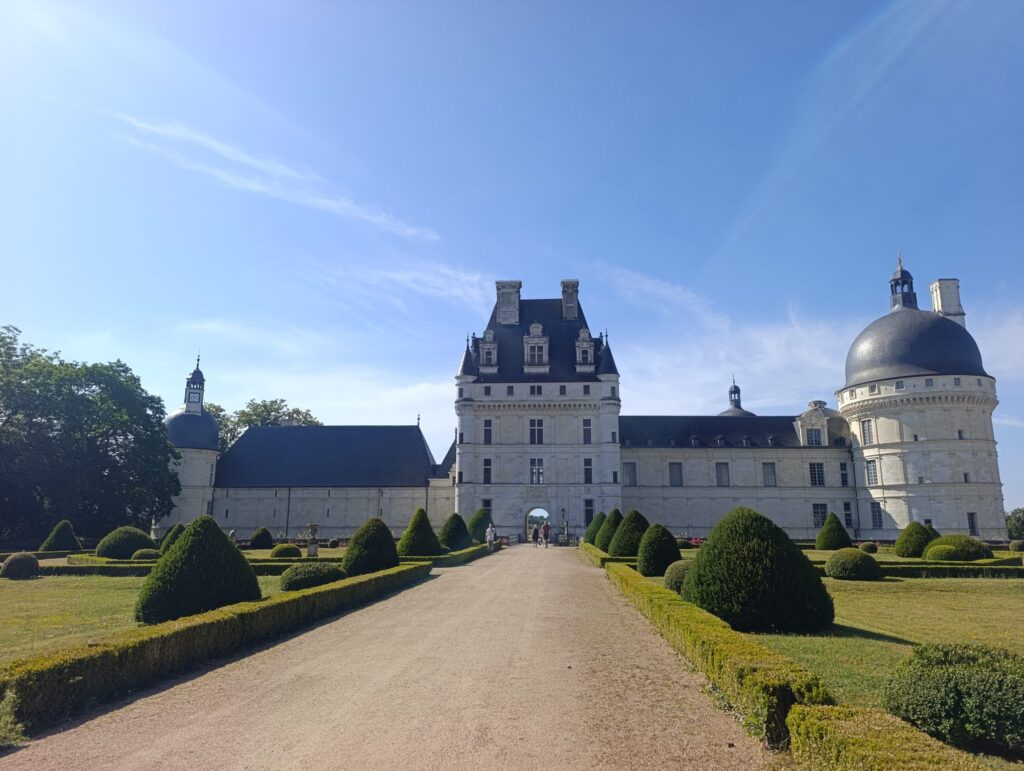
The programme also gave participants the opportunity to explore several of the Indre’s major heritage sites, starting with the Château de Valençay.
Welcomed by Alexis Rousseau-Jouhennet, director of the Château de Valençay, the participants were able to explore this former residence of Charles-Maurice de Talleyrand, Napoleon’s minister and diplomat. Between 1808 and 1814, the château hosted the princes of Spain, who were held in residence there by order of the Emperor, making Valençay an important centre of imperial diplomacy.
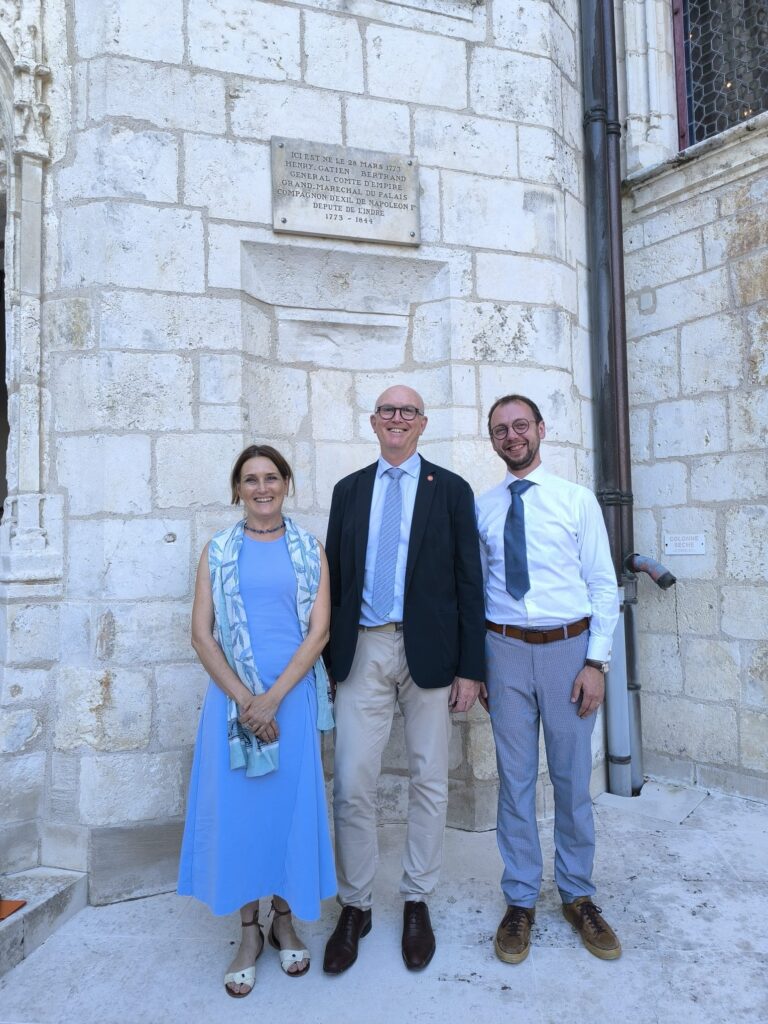
In Châteauroux, Napoleonic history is epitomised in particular by General Henri-Gatien Bertrand, who was born in the town in 1773. Grand Marshal of the Imperial Court and a loyal companion of Napoleon, he accompanied the Emperor right up to his exile on St Helena and played a vital role in preserving his legacy.
The participants also explored the heritage of Déols, as well as the Church of Saint-Étienne in Neuvy-Saint-Sépulchre, which is inscribed on the UNESCO World Heritage List as part of the Routes of Santiago de Compostela in France.
Acknowledgements
Destination Napoléon would like to extend its sincere thanks to the European Federation of Cluniac Sites, the Indre Department and the City of Châteauroux for their warm welcome, the rich programme of events and the excellent organisation of these National Meetings.
These events have once again demonstrated the strength of the partnerships between the Council of Europe’s Cultural Routes and the importance of bringing a shared heritage to life, for the benefit of local communities, citizens and future generations.