

On 8 May, the town of Lodi will officially become a member of the European Federation of Napoleonic Cities - Destination Napoléon. Located in Lombardy, on the banks of the Adda river, Lodi occupies a major place in Napoleonic history, linked to the famous Battle of the Lodi Bridge on 10 May 1796.
The European Federation of Napoleonic Cities - Destination Napoléon will be delighted to officially welcome the town of Lodi to its network at a membership ceremony on 8 May.
This membership marks the entry of a town with a remarkable historical heritage, deeply associated with the Napoleonic epic and with European history. Lodi joins the ranks of local authorities and institutions committed to promoting a shared heritage, from a cultural, heritage and tourism perspective on a European scale.
Lodi, a town at the heart of European history
Founded on 3 August 1158 by Frederick Barbarossa on the banks of the Adda, Lodi grew up close to the ancient Laus Pompeia. Thanks to its strategic position, the town enjoyed a period of great prosperity, particularly at the time of the Peace of Lodi, signed in 1454, which helped to ensure a political balance in Italy and encouraged the rise of the Renaissance.
But it was in the spring of 1796 that Lodi fully entered Napoleonic history. On 10 May, the French army, led by the young general Napoleon Bonaparte, confronted the Austrian forces at the Battle of the Lodi Bridge. This victory marked a decisive stage in the Italian campaign and helped to forge the Napoleonic myth.
In the St Helena Memorial, Napoleon himself would come back to the importance of this episode, saying that at Lodi he no longer felt just like a general, but like a man called upon to play a role in the destiny of a people.
Places emblematic of Napoleon's memory
Lodi's heritage preserves several major traces of this history.
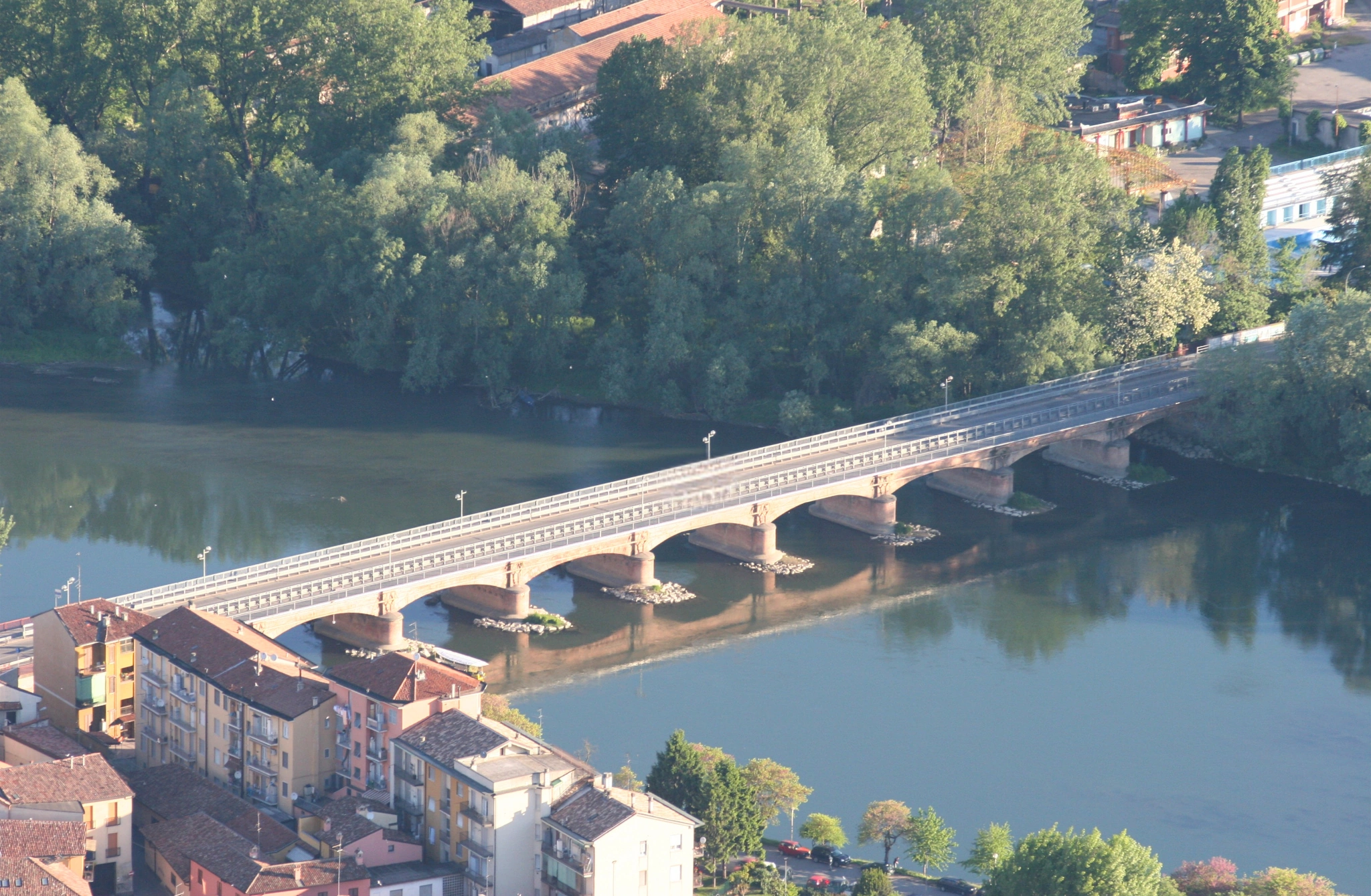
The Napoléon Bonaparte bridge, The bridge that now links the two banks of the Adda is a reminder of where the French and Austrians clashed on 10 May 1796. Today's bridge is not the one used in the battle: at the time, it was a wooden bridge around 200 metres long and 8 metres wide, destroyed in 1864 and replaced by the masonry structure that can be seen today.
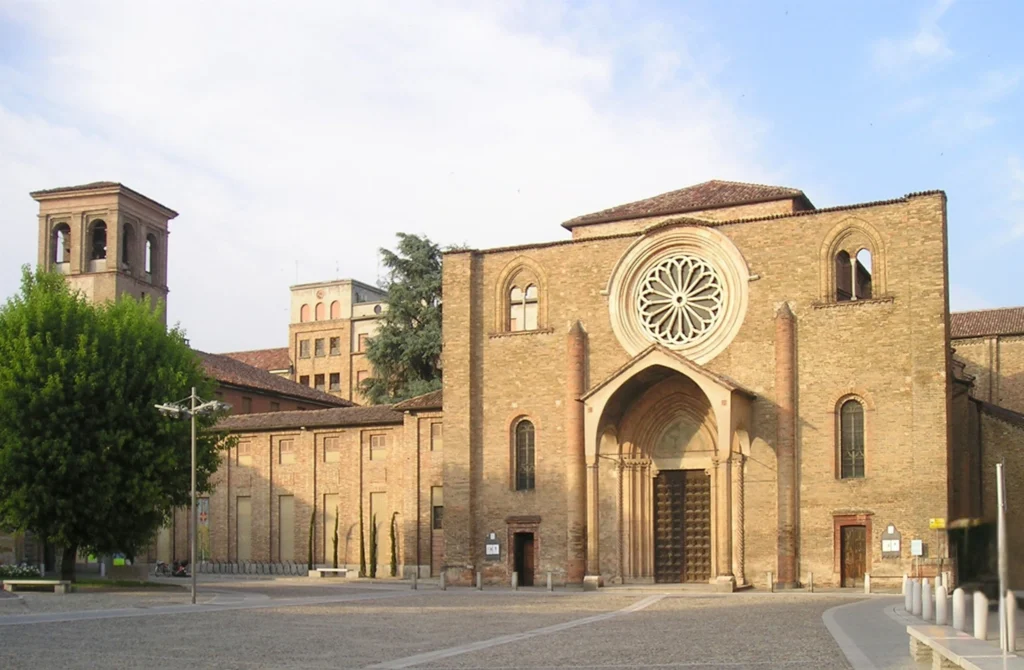
The chiesa di San Francesco, built between the 13th and 14th centuries, also plays an important role in this episode. Its bell tower is said to have enabled Napoleon to observe the movements of the Austrian troops and adapt his strategy before the decisive attack.
The Palazzo Ghisi Sommariva is another symbolic place. On 11 May 1796, the day after the battle, Francesco Melzi d'Eril handed over the keys of Milan to Napoleon, a powerful political gesture that heralded the opening of a new period in Italian history.

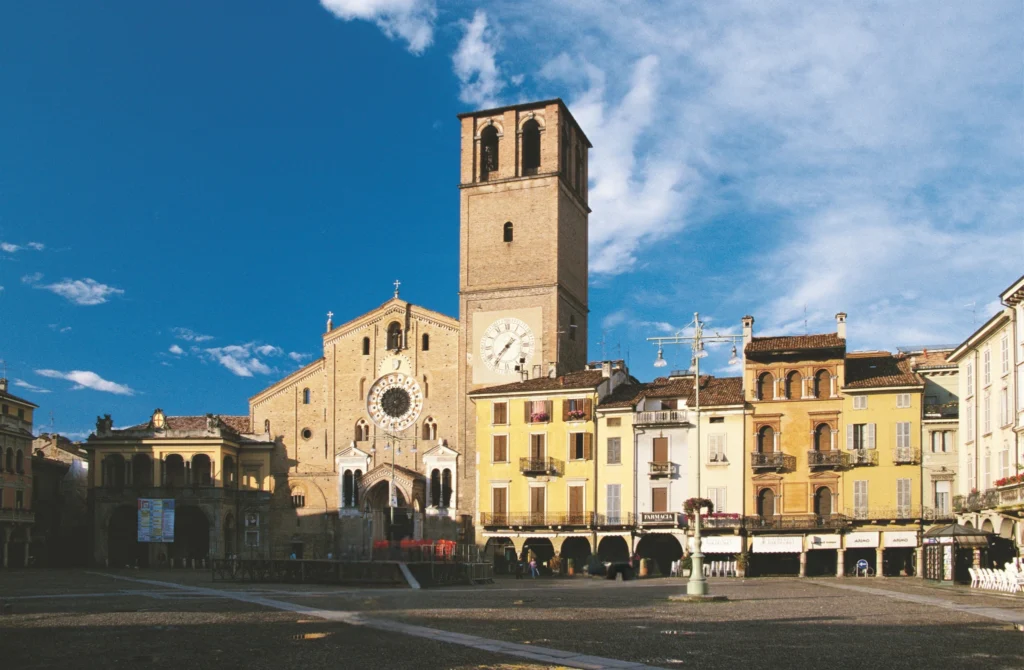
Finally, the Piazza della Vittoria, In 1808, the monumental heart of the town was chosen as the site for a memorial to the battle of 1796. This monument, decorated with military scenes and imperial eagles, was destroyed after the fall of French rule.
A new stage for Destination Napoléon in Italy
By joining, Lodi is strengthening Destination Napoléon's presence in Italy and enriching the network of a town whose history fully illustrates the European dimension of Napoleon's legacy.
This ceremony on 8 May will be an important moment of cooperation between the town of Lodi and the European Federation of Napoleonic Cities. It will highlight an exceptional heritage, while opening up new prospects for cultural, tourist and institutional promotion of Napoleonic remembrance.
Destination Napoléon is delighted to welcome Lodi to its network and to be working with the town on future projects to promote the transmission of historical knowledge and the cultural development of the region.